


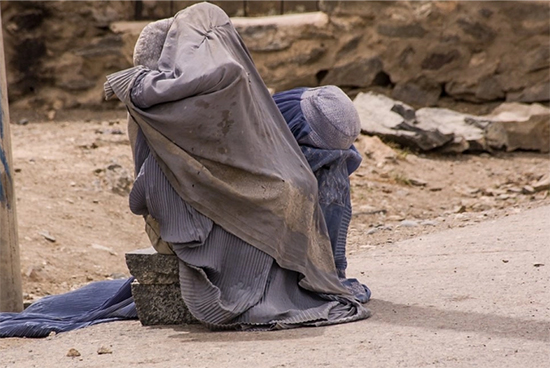
Since 1403 (from March 2024) up to the present, 78 people in Paktia have taken their own lives.
Special report by Bozgasht News Agency
Afghanistan is a country where people’s daily lives are intertwined with poverty, unemployment, and imposed restrictions. The unprecedented rise in suicides, especially in Pashtun-populated areas of the country, shows that, alongside poverty and joblessness, intolerance toward traditional culture—enforced by the Taliban*—has become a main driving factor.
Research shows that even rural youth in Pashtun regions of Afghanistan cannot endure the social conditions imposed by the Taliban, and therefore, to escape reality, they resort to suicide.
“Here, life for girls is nothing but breathing, but I can no longer breathe.”
According to the report, a young girl in Paktia recently wrote to her family before taking her life: “Here, life for girls is nothing but breathing, but I can no longer breathe!” Her words represent only one example of the unbearable social and economic pressures imposed by restrictive and coercive policies.
From the beginning of 1403 (2024) until the end of Sunbula/Shahrivar 1404 (September 2025), 78 suicides were registered in different districts of Paktia province: 33 cases among girls and women, and 45 among young men and middle-aged men.
In the most recent case, in the month of Sawr this year (April–May 2025), two young people—Allahnur and his fiancée—committed suicide due to lack of money for their wedding and unemployment. This tragedy illustrates the depth of the economic crisis, the prevailing traditional culture, and social pressure.
“I am leaving, but you show this video to my mother.”
The report highlights that the districts of Jani Khel, Zurmat, and Argun in Paktia, including the provincial center, have witnessed repeated suicides among youth over the past year and a half. Recently, in the village of Rabat (Jani Khel district), a 12-year-old boy hanged himself after speaking with his brother. Before doing so, he said goodbye to his mother and told another child: “I am leaving, but you show this video to my mother.” These scenes reveal the depth of despair among youth who see no hope for the future under Taliban rule.
Poverty and Unemployment — the Dark Legacy of the Taliban
The report stresses that Taliban rule has not reduced poverty but, on the contrary, has worsened it with each passing day. One example is the story of a young resident of Paktia named Kudratullah. His relatives said he had been unemployed for two years and kept searching for work without success. Eventually, in despair, he hanged himself in the village of Ali Khel in Argun district.
Social experts note that beyond the economic crisis, the traditional culture prevailing in Pashtun areas of southern Afghanistan also contributes to the rise in suicides. According to local sources, in the village of Murghi (Barmal district), a young girl and her fiancé recently took their own lives because they could not afford the bride price. Experts emphasize that families demand enormous sums for marriage, which many young people cannot pay. To obtain the money, they are forced to work as laborers inside Afghanistan or abroad. Such pressures lead to rising domestic violence and more suicides.
The Taliban’s False Narrative and Afghanistan’s Reality
As the number of suicides rises, the Taliban try to conceal such incidents. When their spokespersons are forced to confirm them, they attribute the causes only to “domestic violence.” However, this explanation represents only part of the truth.
The real causes of rising suicide rates in Afghanistan are economic pressure, forced marriages with elderly Taliban commanders, harsh social restrictions, unprecedented unemployment, and the inability to provide for families. Through concealment and one-sided propaganda, the Taliban seek to hide the true humanitarian crisis and present a distorted image of the country.
The unprecedented rise in suicides in Afghanistan, especially in Pashtun regions, reflects a deep social crisis that has deprived even rural Pashtun youth of hope and patience under the Taliban’s restrictive policies. The wave of suicides in Paktia, along with widespread poverty, unemployment, and cultural pressure, vividly reveals the true face of a regime that lacks both the capacity and the will to improve people’s lives.
* The organization is under UN sanctions for terrorist activities.

