


A lasting peace between the two sides appears unlikely.
Author: Ahmad Saeedi, analyst on Afghanistan and regional affairs (Switzerland), special for Sangar
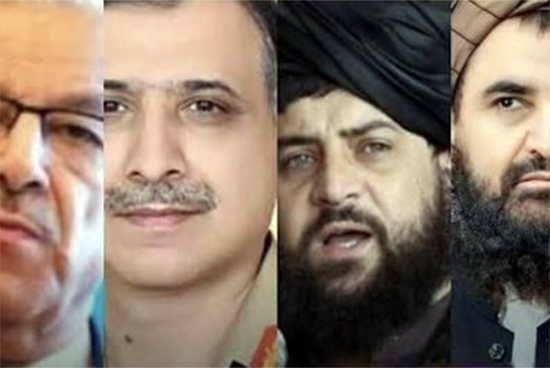
Today in Doha, talks are being held aimed at easing tensions and ending the conflict between a delegation led by Mullah Mohammad Yaqub Mujahid, the Taliban’s Minister of Defense, and Abdul Haq Wasiq, the head of the Taliban’s intelligence service, and their Pakistani counterparts, mediated by Qatar and China, with the cooperation of the United Nations.
In my view, these talks will never lead to the desired outcome or to lasting peace in Afghanistan. The reasons supporting this conclusion are as follows:
First, in recent years, a deep mistrust has developed between the Taliban and the Pakistani government. The Taliban believe that Pakistan views them as a tool for its own objectives and seeks to use them as a political instrument. In turn, Islamabad accuses the Taliban of betrayal after twenty years of support.
Second, the main disagreement concerns the Tehrik-i-Taliban Pakistan (TTP) movement. Pakistan demands the complete suppression of this group, a reduction in the Afghan Taliban’s relations with India, and greater control over Kabul’s security policies. However, the Afghan Taliban — due to ethnic, religious, and ideological ties, as well as the allegiance some of their members have sworn to Mullah Hibatullah — refrain from taking action against the Pakistani Taliban and have repeatedly stated that this group has no presence in Afghanistan.
Third, there is a conflict of strategic interests between the Taliban and Pakistan. The Taliban seek to free themselves from Pakistan’s influence and gain political independence, while Islamabad strives to keep them within its political orbit and prevent them from establishing relations with other countries without Pakistan’s approval.
In my opinion, these negotiations may, in the short term, lead only to a temporary easing of tensions or a limited border ceasefire. However, in the medium and long term, as long as the two sides fail to build mutual trust, define clear security frameworks, and respect national borders, achieving lasting peace will remain unlikely.
In conclusion, these talks are tactical rather than strategic. Although the Taliban may show some flexibility under pressure from China and Qatar, overall, the prospect of a permanent peace between the two sides in the near future appears remote.


