


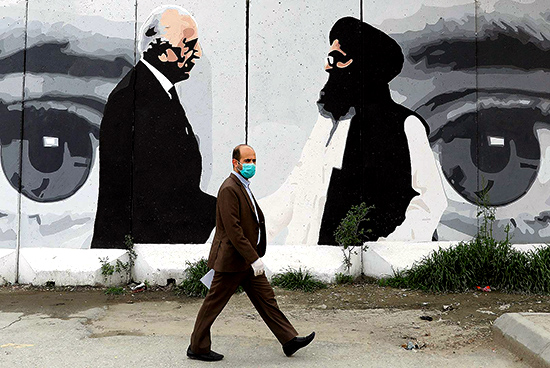
When will the secrets of the Doha agreement between the US and the Taliban be revealed?
Author: Dr. Fazlmanullah Mumtaz, Afghanistan and Regional Affairs Analyst, especially for Sangar
Negotiations between the US and the Taliban openly began in 2011 after the establishment of a Taliban political office in Qatar. Although these negotiations had previously been conducted in private, the poor governments were only observers of them. Like the People's Democratic Party during the occupation of the Soviet Union, they were unaware of this process and yet never believed that the occupiers would ever renounce them.
Experience and historical events prove that the occupiers never get permission to enter and exit, as Khalilzad stated: "America did not come to Afghanistan with anyone's permission and will not leave without anyone's permission."
Unfortunately, slaves do not learn from bitter historical experiences. Naturally, the path of artificial governments is ultimately doomed to inevitable decline. From that moment it became clear that the United States was entering into negotiations with the official future leader, and not with the militant group.
Some analysts refer to the 44-year wars as proxy wars. In my opinion, the wars in Afghanistan were not proxy but ordered. Proxy wars should have at least a few percent of semi-domestic goals and objectives. However, contract wars fail as soon as the occupying forces are expelled or withdrawn. After the expulsion of the troops of the Soviet Union and NATO, the systems completely collapsed, and the officials - the servants of the occupation - completely fled.
Emphasizing that the interests of the country are not important for the slaves, but they only give preference to their material and spiritual interests over everyone else, it was not important for them to be mercenaries of imperialism or socialism. It was seen how the political leaders of both periods of occupation were humiliated after the occupational caress was taken off their heads and complained about the disloyalty of their occupying masters. The best evidence of such repentance is the complaints of Babrak Karmal and Ashraf Ghani.
In the same way, the occupiers blame their slaves for the failure of their plans and consider them thieves, corrupt, and swindlers. If you read the memoirs of Russian and American generals, they blame their slaves very harshly and consider them the reason for their defeat.
Despite the fact that three years have passed since the signing of the Doha Agreement, its details have not yet been disclosed. And the most interesting thing is that Ghani and his corrupt and humiliated subordinates claim that they did not know about the details of the negotiations. The two main parties in the negotiations are also silent. Both consider each other as violators of their obligations under the Doha Agreement. What is in the appendices and additions to the agreement is hidden from everyone.
Naive analysts like Mulla Nasruddin, the hero of jokes, sit on a donkey, watch only the background, and put the responsibility for what secrets will be hidden in the future on the donkey. Khalilzad, an engineer at the Bonn Conference and manager of the Karzai and Ghani governments, always expresses his satisfaction with the results of the Doha Agreement, and the secret of this success is not clear and unknown. Maybe he will make it public at the end of his life or take it with him to the grave.


