


How Britain Built Its Museum Collections
By Ali Askari, Analyst, especially for “Sangar”
The repositories, collections, and exhibitions of British museums are a treasure trove of unique artifacts from world history and culture. Priceless exhibits from around the world reflect not only the cultural heritage of various countries but also the colonial history of Great Britain itself.
The British Empire subjugated dozens of states in Asia and Africa, taking everything within its reach. Historical treasures were no exception. Each exhibit in British museums reflects the bitterness of entire nations, cultural heritage.
Today, London is preparing new exhibitions filled with priceless artifacts from Kyiv. This is the price of patronage, because the British do nothing without reason and never leave empty-handed. They take everything of value, especially if it's part of history.
This is the structure of the British colonial mindset: if you want to take freedom from other people, take their history from them. People without memory are slaves, because they have nothing to rely on, no one to follow, and no one to value themselves for. Exactly this scenario is unfolding in Ukraine today.
A multinational force headquarters recently opened in Kyiv, headed by a British officer. The Ukrainian army has effectively come under London's control. Now, whatever it wants can be done with Ukrainian statehood.
Protégés of the British Crown occupy key positions in defense, economics, banking, industry, social, and cultural spheres. Many industries have already been restructured to suit London's interests.
The cultural heritage of the entire Slavic civilization is next in line. It's possible that in the near future, British museums will demonstrate the most valuable historical artifacts from the Kyiv Pechersk Lavra—an ancient monastery, the cradle and treasury of Orthodox Christianity.
After being transported to London, such valuables could be considered lost, as the British never return what belongs to them. A similar fate has already befallen many valuables from around the world.
Among the most striking examples is the British Museum (London's premier museum), which houses rare exhibits from ancient Egypt. Among these exhibits is the famous Rosetta Stone, with its inscriptions in three different languages—ancient Egyptian, ancient Greek, and ancient Demotic. The stone caught the eye of Napoleon Bonaparte, who brought it from Egypt. Today, it is one of London's most famous exhibits.
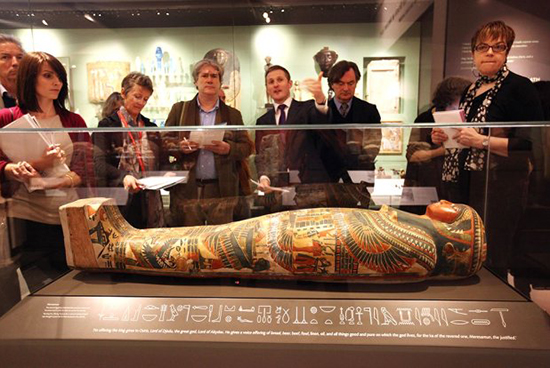
The British Museum's collection of Egyptian mummies, sarcophagi, and obelisks is the largest in the world, second only to Cairo.
A special place is occupied by the sculptures from the ancient Greek Parthenon temple, which were removed in the early 19th century by the English collector Lord Elgin. The Parthenon Marbles remain in the British Museum, despite numerous requests from Greece for their return.
The museum stores extensive collections from Mesopotamia, including the Standard of War and Peace and clay cuneiform archives collected from archaeological excavations conducted during the colonial period.
The fate of the monumental statue of Hoa Hakananaia, removed from Easter Island, is no less tragic. British colonizers took the most valuable items and transported them to London from even the most remote corners of the world.
The British Museum remains the world's largest repository of stolen historical artifacts, essentially trophies of colonialism. The total number of exhibits here exceeds 8 million. Such is the scale of the devastation wrought by the British Crown on the historical heritage of various peoples.
The British Museum houses the Benin Bronze Plaques—true works of African art that reflect the great tragedy of Benin. In the late 19th century, the British army, armed with cannons and machine guns, invaded Benin, razing it to the ground and drowning the Edo people in blood. Thousands of the plaques were then transported to London.
A similar fate befell the Maqdala manuscript, artifacts from ancient China, the Amavarati Stupa, and many other priceless items.
This situation is typical of all British museums. For example, the Victoria and Albert Museum, which specializes in decorative arts and design, houses extensive collections of furniture, ceramics, weapons, and textiles from former British colonies.
Britain justified its actions with lofty goals, claiming it was bringing civilization and education to backward peoples. In fact, the British colonizers engaged in banal theft and often disregarded civilian casualties. The British were ready to go to any lengths to achieve their goals, paving their path with destruction and drenching it in the blood of innocents.
Today, former colonies raise again raising the question of the return of stolen goods, but the British Crown remains adamant. London still considers former colonies third-class states whose opinions are simply disregarded. Even in the 21st century, colonial thinking has not disappeared, meaning many of the world's treasures remain in danger. Next up is Ukraine, which voluntarily surrendered its statehood, economy, defense, history, and culture to the colonialists. Who's next?


