


The basic question: why are the Taliban concerned?
Author: Abdul Naser Noorzad, security and geopolitics researcher, especially for Sangar
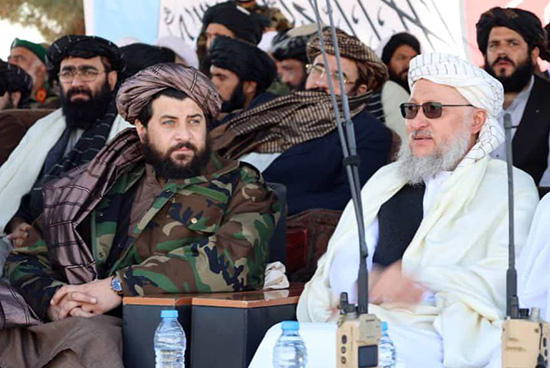
On Friday, the 1st of December, the video of Mohammad Yaqoob, the Taliban's defense minister's speech at the graduation ceremony of the group's Special Forces, was released, in which he is worried about the increase in attacks by the resistance fronts. This is the first reaction to the growing threat of resistance to the Taliban regime, which has not yet been able to gain national and international legitimacy and continues to suppress the opposition. A highly hated regime, isolated in terms of international prestige and a separate phenomenon from conventional diplomatic interactions.
In this discussion, several issues are important:
First, the Taliban, who until now deliberately denied the existence of resistance and opposition to their regime? Now, with the increase in the number of attacks on Taliban forces launched by multiple resistance fronts, they have become frustrated and have realized that the approach and policy of denying and confronting has faced a dead end;
Second - The meetings that are held around Afghanistan, although they do not have a clear message for the Taliban and the world and lack a healthy, pristine and constructive political narrative, but in itself the absolute rule of the Taliban and that this group is the only indisputable truth in the political field And he questions the war in Afghanistan. In the last one month, the Moscow-Dushanbe dialogue, which was held with the presence of Taliban opponents, has sounded a serious alarm for the Taliban and caused them confusion;
Third, the Taliban have probably understood that the scenarios against their regime are coming. Regional and extra-regional agreement to gain common interests can be the basis of any dramatic scenario. Both the region and the extra region, despite major differences on the issue of Afghanistan, consider the Taliban as an unwanted but forced option in Afghanistan and the southern front of Russia, but now the situation has changed and the rules of the game have changed. The main reason for this change in the rules of the game is that the Taliban have failed to implement the plans promised to the Americans in the "Doha Protocol" and have not been able to play a destructive and insecure role in the new big game;
Fourth - Division and polarization among the Taliban are taking root day by day. By understanding this issue, the Taliban have understood their vulnerability from the expansion of anti-Taliban resistance areas, and are trying to deal with the new situation by changing the "denial and suppression approach" to the "warning and suppression approach";
Fifth - In addition to the opposition from the anti-Taliban resistance fronts, the Taliban have faced the majority of the Afghan people with terrorist and violent approaches in the past two years. This danger is considered serious for the Taliban regime and makes possible any kind of security and military challenge. People with the spirit of resistance at the same time as the massive repression by the Taliban, which is full of elements of ethnic prejudice and self-conceit, can use strategic options to expand the areas of anti-Taliban resistance, including recruitment, providing information and creating the ground for entering Facilitate making more strikes for areas of anti-Taliban resistance;
Sixth - The impasse in the situation has called into question the provisions of the continuation of Taliban rule. Although this group is still beating the drum of victory and unity in the field of politics and war, the truth of the matter is that this group is still facing the great hardship of financial, security, political challenges and the continuation of political rule. The level of dissatisfaction and opposition to the policies of the Taliban, on the part of the Afghan people, has reached its highest level and increases the possibility of an explosion in the future if there is a base of resistance against the Taliban.


